 RuvidaMente


















































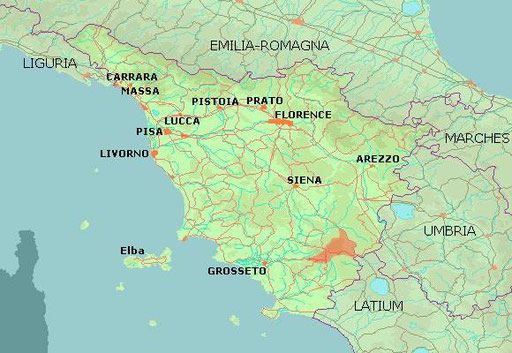
Chestnuts have been cultivated for centuries at Monte Amiata, an area in the southern tip of Tuscany, where the provinces of Siena and Grosseto meet. The climatic conditions here are ideal to grow chestnuts. As early as in the 14th century, the local mountain communities considered chestnuts as the "bread of the poor" and afforded them formal protection in their statutes. For many centuries, chestnuts were in fact the seasonal staple food of mountain people.
The most popular specialties prepared with chestnut flour were, and still are, the polenta and the castagnaccio. Although chestnuts are no longer central to the family
economies in this area, they are still held in high esteem from a cultural point of view: the chestnut fairs that are organized every year in the villages here demonstrate the importance that the
locals still attach to this nut.
Most of the Monte Amiata chestnuts come from the woods in an area called Castanetum, situated at between 1,150 and 3,300 feet above sea level. The
terrain here is mostly the product of the disintegration of volcanic rocks. Its special organoleptic traits can be clearly detected in its produce. Monte Amiata chestnuts are picked
either by hand or through the use of special machinery. Great care is taken not to alter the characteristics of the produce in this phase.
The most noteworthy varieties of Monte Amiata chestnuts are the Marrone, the Bastarda Rossa, and the Cecio, which can be spotted
thanks to their oval form and pronounced tip, and the reddish hue and dark stripes. They have a delicate, sweet taste.






SEARCH THE SITE
