 RuvidaMente






























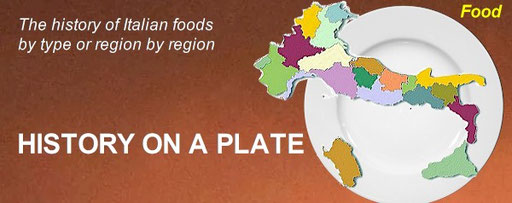
“The main thing to remember about Italian cuisine," says a Florentine chef introducing his cooking courses for foreigners, "is that it doesn't exist. First, because the term cuisine is French, but more important because in my country, thank heaven, we have no uniform way of cooking."
He might have added that "Northern Italian cuisine" was
invented abroad, apparently to indicate restaurants that do not serve pizza or spaghetti and meatballs smothered in tomato sauce. To suggest anything more than arbitrary links
between the regional dishes of northern Italy--the braised beef and creamy risottos of Piedmont, the seafood and herb-inspired touches of Liguria, the pasta and pork delicacies of Emilia or the
schnitzel and dumpling fare of Alto Adige, for instance--is little short of heresy. The same could be said of the southern regions where, however, the flavors of the Mediterranean remain
generally more intact than elsewhere.
On analysis, la cucina italiana is a miscellany of regional, provincial, local and family dishes that vary from season to season and cook to cook. It is a
deliciously random fund of little treasures, of recipes rarely written down but passed intuitively from one generation to another, modified according to the produce available and enhanced by
knowing hands.

Still, there is no denying that some cooks have attempted to standardize the fare. You can find spaghetti alla carbonara on menus in Milan and costoletta alla milanese in Rome, peperonata in Verona and polenta in Palermo.
All healthy citizens regularly eat pasta in some form or other and nearly every village north and south has a pizzeria. But the variations from place to place are infinite, and as any experienced gastronome will insist, you have to travel to the place of origin to taste the foods and wines of Italy together at their authentic best.
La cucina italiana with its appetizing medleys of aromas, flavors, colors and textures continues to gain magnitude as the world's favorite way of cooking. Italian food is doubly appealing for its healthful nature, for the olive oil, grains, vegetables, herbs, fish, cheese, fruit and wine of the ancient Mediterranean, the elements esteemed as ideal for a modern diet.

The pleasures of pasta, pizza, prosciutto, risotto,
balsamic vinegar, Parmigiano Reggiano and Grana Padano, mozzarella, gelato and espresso are so popular abroad that it's hard to imagine that Italy doesn't have a stereotyped
national cuisine. Instead, cooks over the ages have created a monumental repertory of dishes that vary from region to region and town to town.
What sets the cooking of Italy apart from that of any other country is the variety of ingredients and the spontaneity of preparation that makes a recipe not a routine
but a point of reference for a creative experience. The keynote of la cucina italiana is individual expression.
Fresh produce is essential to Italian cooks, with their legendary knack for making things look easy. But menus also rely on specialty foods--cheeses, pastas, cured
meats and fish, baked goods, extra virgin olive oil, vinegars, condiments and sauces--crafted by artisans following age-old techniques. Their excellence can't be duplicated, yet copies abound.
The gap in quality between Italy's authentic artisan foods and the widespread fabrications continues to grow.
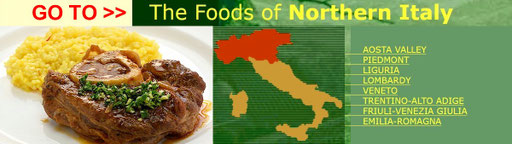
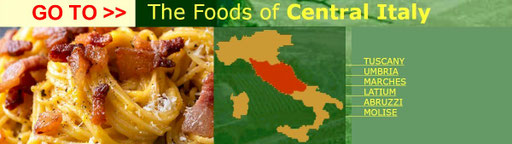
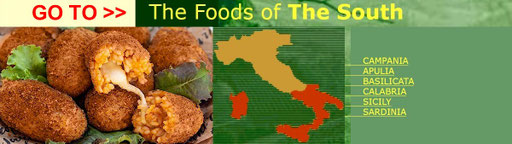
Follow the links below to get an
overview of the main macro-areas of Italian food.





SEARCH THE SITE
