 RuvidaMente































The production of Coppa Piacentina began in Roman times but its subsequent evolution is best understood with reference to the rural traditions of the people of
the Po valley. The Coppa is a type of salami made from pork, salted, aged naturally and stored raw. The finished product is cylindrical in shape and when sliced open displays a
homogenous interior of red meat flecked with pinkish-white spots.
In the area from which the livestock comes, the breeding techniques are in part influenced by the cultivation of cereal and the cheese-making industry which contributed
to the vocation of the area for hog-raising. The defining features of the production zone are environmental. The temperate valleys with plentiful water and hilly woodlands typical of the area
have a direct effect on the local climate which in turn determines the special properties of the finished product.
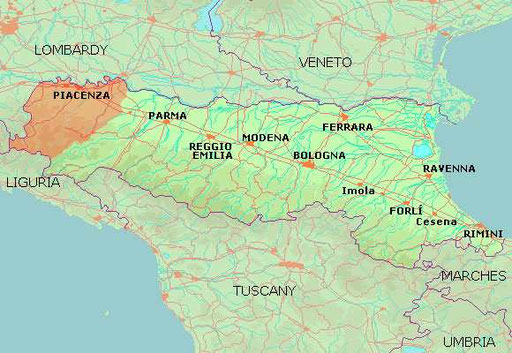
The making of Coppa Piacentina takes place in the province of Piacenza in areas below an altitude of 900 metres.






SEARCH THE SITE
