 RuvidaMente

















































In one of his books, "History of Sicily: Medieval Sicily 800-1713," British historian Dennis Mack Smith states that the prickly pear (ficodindia) was
brought to Sicily by the Spaniards toward the end of the 16th century.
The most common type of prickly pear, back then, was the one from the tropical areas of the Americas. Since it survived well in dry weather and its roots had the
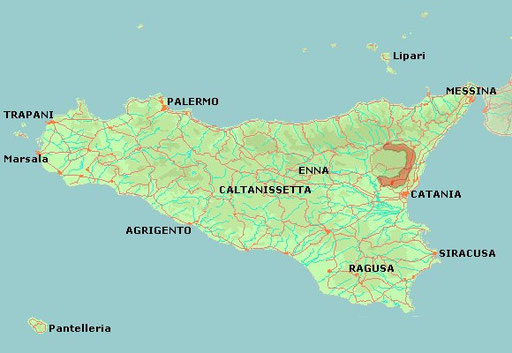
ability to penetrate into the cracks of rocks, it was planted on the fertile slopes of Etna so that it would break the lava layer, easing the work of the farmers. Today, it is still very much
part of the landscape on the northwestern slopes of this majestic volcano.
The area where Ficodindia dell’Etna is grown has a semi-dry, subtropical Mediterranean climate. Summers here are long and dry and temperatures can drop steeply
during the night. Rainfall takes place mostly in fall and winter. The combination of the volcanic soil, the winds, the humidity, and the long hours of sunshine gives the Ficodindia
dell’Etna a distinctive taste that sets it apart from prickly pears grown in other regions.
Ficodindia is generally eaten raw, but it is also used in the preparation of pastries and to make a flavorful liquor specialty.





SEARCH THE SITE
