 RuvidaMente






































Spelt is the most ancient grain crop still in use today. The crop originated in Mesopotamia, Syria, Egypt and Palestine where it was cultivated as long ago as seven
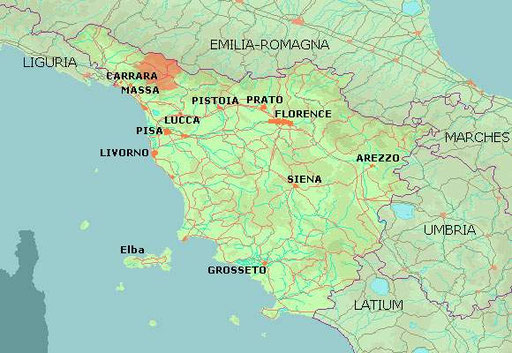
millennia before Christ. Garfagnana is probably the only growing area in Tuscany where spelt (Triticum dicoccum) has always been cultivated and the genotype is well suited to the local
climate and soils.
Spelt began to disappear at the end of the last century, but its production continued unabated in Garfagnana. Indeed, as it was and is a marketable commodity,
Garfagnana continued to produce a substantial amount of the crop. The rules of cultivation demand the use of purely natural methods without any recourse to synthetic chemicals. Similarly, the
product must be stored in an appropriate place without the use of pesticides.
Farro della Garfagnana stalks are spike-eared and grow to a height of 110 to 170 centimetres. After harvesting, the spelt is husked. The resulting grains
contain whitish streaks and have a generally floury structure. The area of production includes numerous town districts in the province of Lucca.






SEARCH THE SITE
