 RuvidaMente






































Valle d'Aosta Fromadzo dates back to at least 1450 when Pantaleone da Confienza describes the properties of a cheese very similar to today's version. The
“Fromadzo” (a dialect word for cheese) is also frequently mentioned in journals and market price lists from the sixteenth century on. The cheese is made from cow's milk, drawn at least
twice a day, though a small dose of goat's milk is sometimes added.
The cheese comes in cylindrical form and its rind shows a reasonably firm consistency. The outer rind is pale yellow which tends to turn to grey mottled with red as the
cheese ripens. The paste has a close texture and is white if the cheese is fresh; if aged, the paste will be a lighter or darker shade of yellow. The flavour is distinctive, fragrant and
semi-sweet if the cheese is fresh. The riper version has a stronger and slightly salty taste and sometimes a sharpish tang.
Valle d'Aosta Fromadzo has a pleasantly milky smell and is redolent of mountain grasses, especially if made during the summer months. For the "low-fat"
version, the fat content cannot exceed 20 per cent of dry matter; in the "semi-fat" version, the fat content may vary between 20 per cent and 35 per cent. The milk used for the production of the
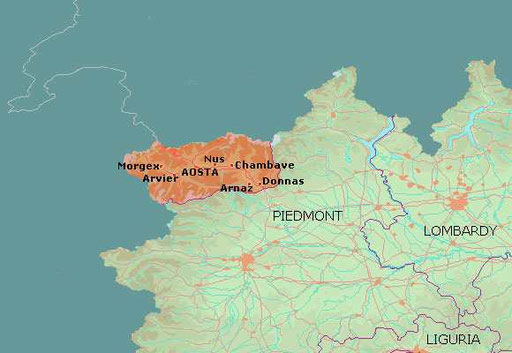
cheese comes from the entire area of the region of Aosta.






SEARCH THE SITE
