 RuvidaMente
















































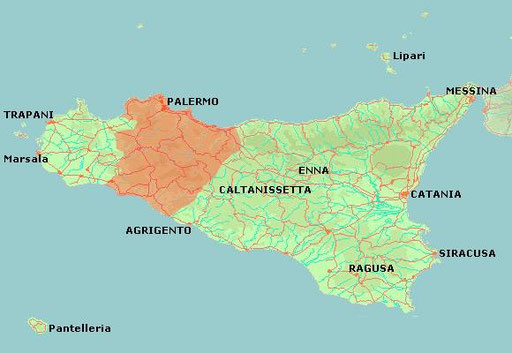
Val di Mazara DOP is produced in most of the area that in the early Middle Ages and in post-Medieval times was known by the same name and was said to be the
largest county on Sicily. From a historical point of view, olives have been grown in this area since much earlier times, when the Greeks colonized Sicily. In his writings on history, Diodorus
Siculus recalls the olive groves of Agrigentum. Olives became important in the economy of this land and were exported very early on. In the 12th century, olives were planted on the hills of
Cefalù, in the Conca d'Oro, and in the plains of Carini and Partinico.
In the 14th century, olive groves were extended to Passo di Rigano, to the district of Sabucia and to the area around the Monastery of Santa Caterina, whose Olivetum
Magnum olive grove was renowned. From the 15th to the 16th centuries, olive presses, known as "trappeti", multiplied in the area surrounding Palermo. At Monreale, instead, where olive
groves were particularly plentiful, the inhabitants reportedly complained about the "thefts and ill-treatment" they were subjected to at the only olive press in the area, which belonged
to the local bishopric.
The production of olive oil has contributed greatly to Val di Mazara's trade and its economic growth; the characteristics of the terrain and the microclimate have
played a major role in this. The olive varieties grown in this area adapt easily to their natural environment, bearing produce that has special qualitative characteristics.






SEARCH THE SITE
