 RuvidaMente




























Sheep rearing in Tuscany goes back to Etruscan times. Book XI of Pliny the Elder's Natural History contains a reference to an already flourishing Pecorino industry in
Tuscany. Pliny describes the Pecorino as being made in the area of Luni, present-day Lunigiana, and imported to Rome by merchants. In the fifteenth century, Pecorino Toscano,
then known as Cacio Marzolino or "March cheese" because its production traditionally began in March and continued all Spring, was much appreciated by illustrious figures such as Pope
Pius Piccolomini and Lorenzo the Magnificent.
Pecorino Toscano is a table or grating cheese. It is soft or semi-hard and made exclusively from sheep's milk. The cheese is cylindrical and the colour of its
rind ranges from yellow to deep-yellow if the cheese is of the soft variety.
The paste is close textured and resistant to the knife. The colour of the paste ranges from white with a hint of yellow if soft, to pale yellow if semi-hard. The taste
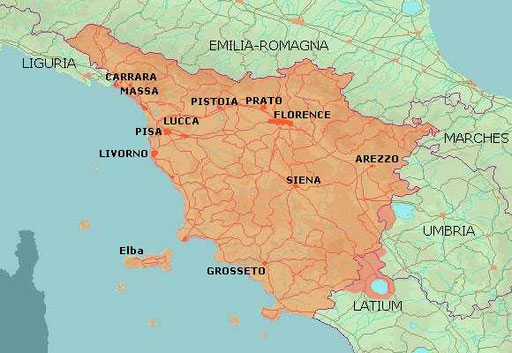
is fragrant, savoury and distinctive. The production zone includes the whole region of Tuscany as well as several town districts in the provinces of Perugia and Viterbo.






SEARCH THE SITE
