 RuvidaMente


















































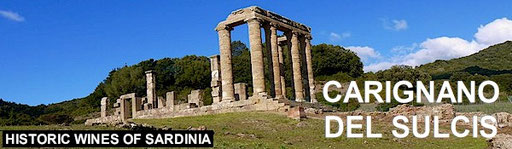
The Sulcis district, in the extreme southwest of the island, was one of the first areas settled by the Phoenicians. They were succeeded by the Carthaginians and then by
the Romans.
One of the first forms of agriculture introduced by the colonists was grape growing and succeeding peoples brought in improved techniques of cultivation and better
varieties. Because of the complexity of settlement on the island, it is difficult to separate history from legend in trying to determine the most probable provenance of the variety today known as
Carignano del Sulcis.
According to the most creditable thesis, based on an analysis of numerous dialectical synonyms, the variety originated in the west, probably in Aragon in Spain, and
spread, acquiring various other names in the process, to the south of France and on as far as Algeria and Tunisia. On Sardinia, its cultivation is concentrated in the southwestern part of the
island because of its good resistance to the salt-laden winds blowing in from the sea.
For that reason and, as in the case of many other Italian wines of the Mediterranean area, because of the vine’s considerable vigor and the high alcohol level of the
wines it yields, Carignano’s initial success was due to its suitability as a blending wine. However, the vineyards have been transformed in the last 30 years and the variety now produces
an extremely pleasant wine that can be consumed with meals. And the wine now commands a good market.
Map of the production area

GO TO SOUTH REGIONAL WINES

OR MOVE TO THE OTHER MACRO-AREAS





SEARCH THE SITE
