 RuvidaMente
















































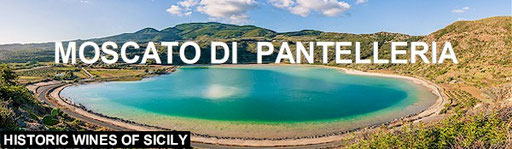
The island of Pantelleria is the southernmost territory of Italy and is situated virtually on the threshold of Africa.
The island and its wine figure in an ancient legend, according to which the goddess Tanit, taking a fancy one day to Apollo, wanted to attract his attention. She asked
Venus how she could do so and the patroness of lovers advised Tanit to scale Olympus and pretend to be a cupbearer. Tanit followed the advice but, instead of serving Apollo ambrosia, the
customary beverage of the gods, she poured out the fermented must of the vines of Pantelleria.
The trick worked and Apollo not only took notice of Tanit but also fell in love with her. Since then, Pantelleria has been able to boast that it is the source of a wine
that is capable of substituting for the divine ambrosia.
The celebrated Moscato has been produced on the island since time immemorial but it was only in 1883 that it began to be known outside Pantelleria. It was in
that year that the Rallo Wine House, which was already active on all the world’s markets, added the wine to its list of Marsalas.
The wine’s reputation was quickly established on Sicily, where it was, and still is, the custom to drink Moscato wine on April 13, the feast day of St.
Martin.
The wine received an award at the Paris Exposition of 1900 and in 1936 it was added to the list of typical Italian wines because of its “delicate and fine odor and
its velvety, sweet, enticing and generous flavor.’’ In 1971, it became the third Italian wine to receive a DOC. That recognition was more than merited because of the quality and
prestige of a wine that represents the whole of winemaking Europe at the continent’s edge, where the contours of Africa can be discerned on the horizon.
Map of the production area

GO TO SOUTH REGIONAL WINES

OR MOVE TO THE OTHER MACRO-AREAS




SEARCH THE SITE
