 RuvidaMente







































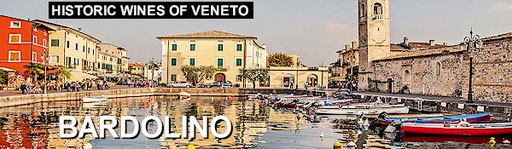
In the Bardolino production zone, the vine has been cultivated since the Bronze Age, as has been established by the discovery of fossilized grape seeds in the
remains of lake dwellings built on piles at Peschiera, Lazise, Cisano, Pacengo and Bor.
The name, which is clearly of Germanic origin, could be derived, as legend has it, from Bardala, daughter of King Axuletus and grand-daughter of Mantus, founder of
Mantua. The tale was originally told by the Latin poet Virgil and later included in the Divine Comedy by Dante Alighieri.
In the Middle Ages, when there was a general decline in agricultural production, the cultivation and making of Bardolino was continued by the monks of the
Church of San Colombano, who thereby saved the wine from extinction.
Until the beginning of the 19th century, it was the practice to produce Bardolino by fermenting the must in holes in impermeable rock strata, which were
covered by slabs of stone.
Bardolino is made from a mixture of grapes, each of which has a precise role to fill. Corvina provides body and color. Rondinella is
responsible for the wine’s characteristic and appealing grassy flavor. Molinara gives the wine fragrance, while Negrara assures softness and freshness.
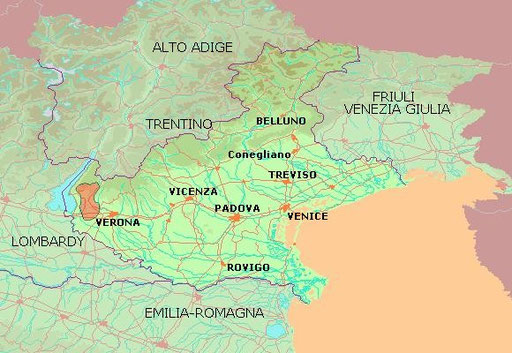
Map of the production area
GO TO NORTHWEST REGIONAL WINES

OR MOVE TO THE OTHER MACRO-AREAS





SEARCH THE SITE
