 RuvidaMente











































Some years ago, the grape growers of Carmignano and Poggio a Caiano in the province of Florence decided to give up the Chianti denomination for their wine and
to obtain their own designation of Carmignano.
The request for the new denomination was approved in 1975 and the revised DOC regulations took effect the same year.
The first citations of a Carmignano wine go back to the 14th century. A document drawn up in 1369 shows that Carmignano cost four times as much as any
other wine in commerce in that period. In 1716, Tuscan Grand Duke Cosimo III de’ Medici issued a decree in which he established production standards and controls over sales, to be applied by the
Congregazione di Vigilanza, that were intended to prevent fraud. The edict clearly represents the first Italian wine discipline.
Two-and-a-half centuries later, the edict’s terms were reapplied in setting the boundaries of the new Carmignano and re-establishing the Congregation. The
organization has as its object the oversight and promotion of the ancient Carmignano denomination of origin within the area first delimited by the edict of 1716.
The statutes of the Congregation, containing 35 articles, place special importance on controls to be applied in planting vines and on quality checks to be made on the
grapes at harvest time and the musts and wines in the wineries before bottling.
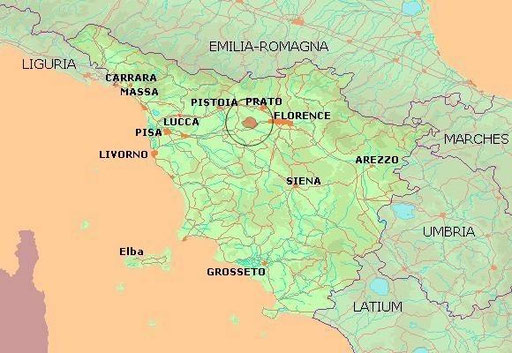
Map of the production area
GO TO CENTRAL ITALY REGIONAL WINES

OR MOVE TO THE OTHER MACRO-AREAS




SEARCH THE SITE
