 RuvidaMente






































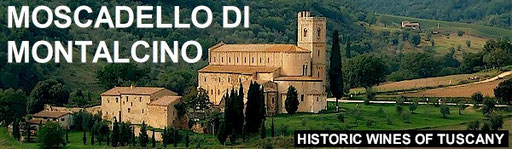
The Moscadella grape has been grown at Montalcino since the Renaissance. And it appears that the area’s “salty” air--the sea is not far away--permitted the production of a variety of Moscadella grape that was more widely and highly appreciated than any other, including the then-famous output of Villa Teglia (Villa Taggia) on the Ligurian Riviera.
Sante Lancerio, the historian of Italian wine and cellarmaster to Pope Paul III, was quite interested in a “Moscadello of a golden color that is not too sweet but
sweetish” and with the flavor of quince but without its bitterness. In short, the wine was particularly soft and delicate. That product has now been identified as the Moscadello di
Montalcino, which was enthusiastically praised by poet Francesco Redi in his Dithyramb.
The greater part of the vineyards of Moscadella grapes were destroyed by phylloxera and were not replaced until the last couple of decades when Moscato
Bianco vines, consisting primarily of the Piedmontese variety, were set out in vast numbers. The effort has brought the Moscadello di Montalcino back to life.
The wine made from that variety’s grapes should be consumed within a year of the harvest, especially if it is produced according to the style of the ancient
Moscadello as a sweet and lightly fizzy beverage.
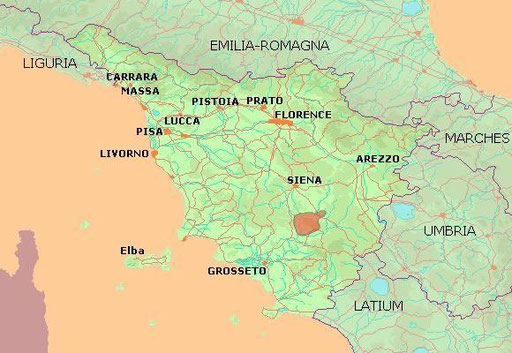
Map of the production area
GO TO CENTRAL ITALY REGIONAL WINES

OR MOVE TO THE OTHER MACRO-AREAS



SEARCH THE SITE
