 RuvidaMente













































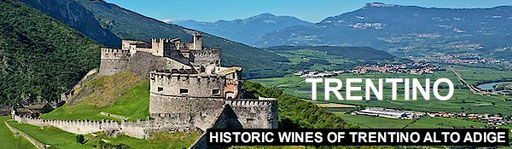
The Trentino is truly devoted to the growing of grapes and the making of wines, for both activities have been practiced in the area for about 3,000 years. Both were
introduced by Illyrian peoples who, emigrating from Greece, disembarked in Liguria and from there expanded into the Trentino.
The Illyrians were succeeded in the region by the Rhetic peoples, who are famous in world enological history for their wine, which was highly praised in the Roman
period by Strabo, Virgil and Suetonius.
Afterward, in the Middle Ages, grape growing and winemaking received fresh impetus from the work of the monks. In the 12th century, in fact, the first regulations
covering the harvesting of grapes appeared and, a century later, the famous Statutes of Trent laid down regulations aimed at restricting imports of wine from surrounding zones.
In 1372, the viticulturists of Bolzano and Trent initiated a struggle over exclusive rights to export wines toward the north of Europe. The dispute was only resolved
200 years later when a compromise was adopted.
The most interesting account of the wines of the Trentino was provided by the historian of the Council of Trent, Michelangelo Mariani, who in his studies published a
description, still in good part valid today, of the wines produced in the 16th and 17th centuries.
Mariani observed that, to their credit, the winemakers of those times “make wines without pretense, as it comes, and without adulteration.”
Today, the wines of the vitivinicultural area of the province of Trent are covered by an overall Denominazione di Origine Controllata and the range of types
produced is extremely wide.
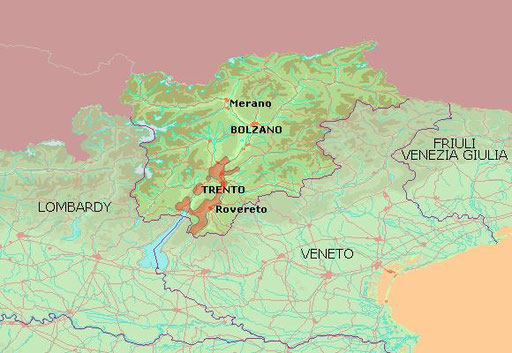
Map of the production area
GO TO NORTHWEST REGIONAL WINES

OR MOVE TO THE OTHER MACRO-AREAS




SEARCH THE SITE
