 RuvidaMente











































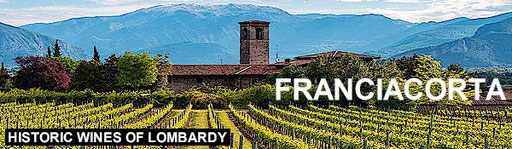
The Franciacorta, which was known until the end of the last century for the production of much-appreciated still wines, owes its recent international success to the
introduction of the technique of making sparkling wines by the champenois method. That step has enabled the district to make further improvements in the quality of the products of a viticulture
that already benefited from outstanding soil characteristics and a highly favorable microclimate.
The production zone is situated in the hills of the province of Brescia to the south of Lago d’Iseo. The unusual name, Franciacorta, appears to have been derived from
an ancient term, “franca curte,” that was applied to a vast monastic property that once included a great part of the district. As an ecclesiastical possession, it was free or
“franco” of taxes.
However, other, more malicious explanations have been advanced, such as the argument that the name refers to the brief, or “corta,” stay in the area of Charles
d’Anjou and his French troops. It was brief because they were driven out in 1266.
The extraordinary development of the Franciacorta has been due not only to the appeal and the quality of its wines but also to the outstanding entrepreneurial capacity
of the people of Brescia. They have intelligently promoted the production of their region, which has always been dedicated to the growing of grapes and the making of wines.
Map of the production area

GO TO NORTHWEST REGIONAL WINES

OR MOVE TO THE OTHER MACRO-AREAS




SEARCH THE SITE
