 RuvidaMente
















































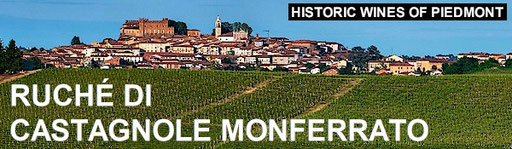
The origin of the wine is remote but it is difficult to date its appearance since there is practically no documentary evidence available. Its history can only be reconstructed on the basis of oral traditions concerning the existence in the area of the variety of the same name that have been handed down from one generation to the next. As to the place of its origin, it seems almost certain that the variety was developed in the hills to the northwest of Asti.
The site, known at the time as Castagnolis Casalensis, today belongs to the commune of Castagnole Monferrato.
The most widely accepted hypothesis as to the origin of the name Ruchè is that it was derived from roncet, a term used locally in reference to a degenerative
infection of viral origin to which the variety is more resistant than others cultivated in the district, particularly Barbera and Grignolino.
Ruchè is clearly distinguished from the other Piedmontese varieties by the characteristic and original wine derived from it.
The only regional product it resembles is Brachetto, although there are considerable differences from an ampelographical standpoint. It does best in calcareous soils that are dry and well exposed. Such conditions are typical of the restricted zone of Castagnole Monferrato and the variety is not cultivated in any other production zone.
Annual output of Ruchè wine, which in the past was almost entirely consumed by local families, is still modest although steadily expanding. That growth has been spurred by the wine’s recent DOC recognition.
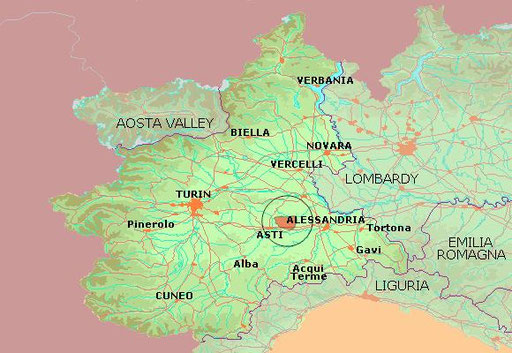
Map of the production area
GO TO NORTHWEST REGIONAL WINES

OR MOVE TO THE OTHER MACRO-AREAS





SEARCH THE SITE
