 RuvidaMente































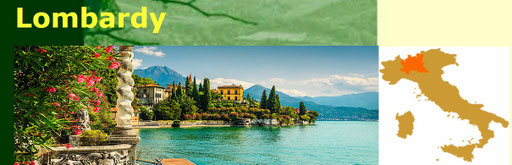
Lombardy honors its richly diversified culinary heritage with dishes that are often elaborate and esoteric in taste. Milan's gastronomic traditions differ, if more in form than in substance, from the dining customs of the provinces in a territory that extends from the Alps along the lakes of Garda, Como and Maggiore across the Po plains to the Apennines. Provincial cooking merits individual attention, yet regional patterns of eating do show recurring themes.
Risotto and polenta still surpass pasta in popularity. The habitual use of butter, cream and lard has only gradually yielded to olive oil in recipes. Lombardians are resolute consumers of meat and poultry (especially duck, goose and turkey). Beef is the base of bollito misto, eaten everywhere.
The many recipes for veal include vitello tonnato, with tuna sauce, shared with Piedmont. Pork's customary utility extends through a range of salame, though salume also comes from beef and geese. Lombardy's popular cheeses are firm Grana Padano, blue-veined Gorgonzola, soft, ripe Taleggio, soft, mild Quartirolo Lombardo and tangy Provolone Valpadana, all covered by DOP, as well as creamy Robiola and Stracchino. Some local cheeses are also protected.

The pleasures of eating in old Milan were illustrated by Giuseppe Arcimboldo, a painter who used foods to create human likenesses. In Italy's rice capital the saffron-tinted risotto alla milanese is served with ossobuco (braised veal shank). Rice (or rîs) is cooked in many ways: with erborinn (parsley), spárgitt (asparagus), rape (turnips), rane (frogs) and coràda (calf's lung). The city's soups include robust minestrone and busecca (based on tripe). Noted meat dishes are costoletta alla milanese (breaded veal cutlet), casoeûla (pork stew), fritto misto (of veal brains, liver, lungs and sweetbreads) and mondeghili (meat croquettes). Milan is known for fine-grained pork salame, that was traditionally made in the city, as well as in the nearby Brianza hills, where it rates a DOP. Panettone, a fluffy fruit cake, is a national Christmas institution.
To the south lies Pavia and the rice paddies near where the intricate risotto alla certosina was created at a Carthusian monastery. Pavia is known for zuppa alla pavese, risòtt rustì (rice with pork and beans), dishes with frogs, crayfish and snails, and the original colomba pasquale, the Easter cake in the form of a dove. Fine salume is made in the hills of Oltrepò Pavese, notably the Salame di Varzi, which rates a DOP. The town of Mortara is noted for goose salame and fegato grasso (foie gras).
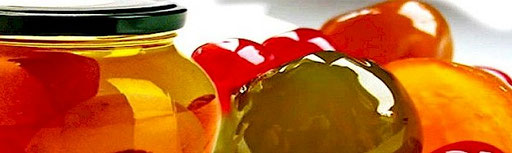
Cremona, on the Po, is renowned for mostarda (mustard-flavored candied fruits) served with platters of bollito misto. Although the city may have been the birthplace of ravioli, its most noted pasta today is marubini, disks filled with meat and cheese and eaten in broth. A local treat is torrone, nougat based on almonds.
Como's Alpine lake supplies prized persico (perch), tiny fish called alborelle, which are fried and eaten whole, and agoni, dried and preserved with bay leaf as missultitt, eaten like sardines. Other delicacies are fitascetta (pastry with red onions), polenta vûncia (with garlic, butter and Grana Padano) and miascia (bread pudding with apples, pears, raisins and rosemary).
The Valtellina, near the Alpine border of Switzerland, is the home of bresaola (air dried beef) and violino (smoked goat prosciutto). Buckwheat (grano saraceno) is used for a cheese and grappa fritter called sciatt, noodles called pizzoccheri, for polenta in fiur (cooked with milk) and polenta taragna (with butter and the rare scimudin cheese). The valley's legendary cheese is the rustic Bitto, though Valtellina Casera is also protected.
The provinces of Bergamo and Brescia share a ravioli-like pasta called casônsei and polenta e osei, with little birds cooked crisp enough to eat bones and all. That dish used to be so popular that it inspired a cake of the name with birds sculpted in almond paste. In the Taleggio valley near Bergamo the finest cheese of the name is ripened in caves. Formai de Mut dell'Alta Val Brembana comes from the Alpine valley north of Bergamo. Brescia's menus offer riso alla pitocca (rice boiled with chicken) and pike, tench and eel from the lakes of Garda and Iseo. Bagoss is an artisanal grana cheese from the village of Bagolino.
Mantua (Mantova) in the eastern flatlands is noted for pasta called agnolini, cooked with a rich beef-pork filling and tortelli envelopes with squash. Vialone Nano rice is grown locally for risotto alla pilota (with sausages). Polenta is topped with ground salt pork as gras pistà. Mantua's many desserts include crescent pastries called offelle and cakes called bussolano (with potatoes and lemon) and the crumbly torta sbrisulona. Pears from Mantova are protected by an IGP. Part of the Parmigiano Reggiano DOP zone is in the province of Mantova.
Although the region produces little olive oil, two types rate DOP: Laghi Lombardi and Garda, from the shores of the lake.
Regional SpecialitIes:
Olive Oils
• Garda • Laghi Lombardi •
Fresh & Cured Meats
• Bresaola della Valtellina • Cotechino di Modena • Mortadella Bologna • Salame Brianza • Salame di Varzi •
• SAlame d'Oca di MortaRa • Salamini italiani alla cacciatora • Zampone di Modena •
Cheeses
• Bitto • Formai de Mut dell'Alta Val Brembana •
• Gorgonzola • Grana Padano • Parmigiano Reggiano •
• Provolone Val Padana • Quartirolo Lombardo •
• Taleggio • Valtellina Casera •
SWEETS & CONFECTIONS
GO TO MORE NORTH REGIONAL FOODS

• AOSTA VALLEY • PIEDMONT • LIGURIA • LOMBARDY • VENETO •
• TRENTINO ALTO ADIGE • FRIULI VENEZIA GIULIA • EMILIA ROMAGNA •
Follow the links below to get an
overview of the other main macro-areas of Italian food.

Or quickly discover Italian foods by type




SEARCH THE SITE
